
Introduction
Selling a hoarder house is rarely as simple as cleaning a few rooms and putting the property on the market. Years of accumulated belongings, deferred maintenance, hidden damage, safety concerns, and emotional attachments can make the process feel overwhelming for homeowners and families alike. Whether the property belongs to you, a family member, or an inherited estate, knowing where to start is often the biggest challenge.
If you’re trying to sell a hoarder house in Erie, PA, the good news is that you have options. You don’t necessarily have to spend months cleaning, renovating, or making expensive repairs before selling. Depending on the property’s condition and your personal circumstances, you may be able to sell the home as-is, complete only essential improvements, or work with a local cash buyer who purchases homes regardless of their condition.
Many hoarder homes involve more than excessive clutter. It’s common to discover mold, water damage, structural issues, outdated electrical systems, roof leaks, title concerns, probate complications, or financial difficulties once the cleanup begins. Because every situation is different, choosing the right selling strategy can save both time and money while reducing unnecessary stress.
If you’re still comparing your selling options, our comprehensive guide on The Best Way to Sell Your House Fast in Erie, PA explains the different ways homeowners can sell their property, including traditional listings, as-is sales, and direct cash offers. This article focuses specifically on hoarder houses, helping you understand the challenges involved, the steps to prepare for a sale, and how to determine the best path forward for your unique situation.
What Is Considered a Hoarder House?
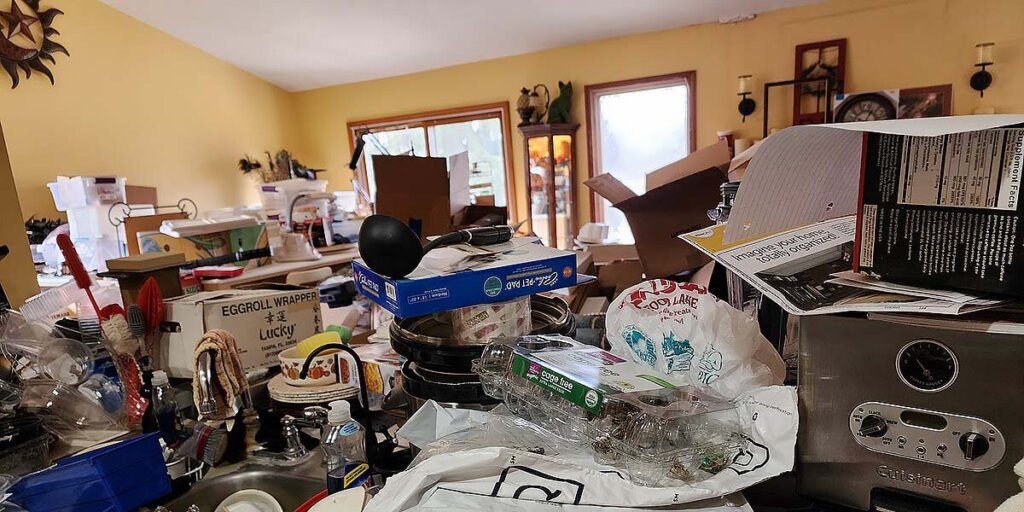
Many people picture a hoarder house as a property filled from floor to ceiling with belongings, making it nearly impossible to walk through the rooms. While that can certainly describe some situations, hoarding exists on a wide spectrum, and not every hoarder home looks the same.
In real estate, a hoarder house generally refers to a property where excessive accumulation of personal belongings has affected the home’s safety, functionality, or marketability. The clutter may prevent buyers from seeing the home’s true condition, create health or fire hazards, or hide maintenance issues that have developed over many years.
Some properties contain mostly personal items such as furniture, clothing, books, newspapers, and household goods. Others may include broken appliances, damaged furniture, old building materials, or years of accumulated trash. In more severe situations, the property may have pest infestations, mold growth, strong odors, or structural deterioration caused by moisture that remained unnoticed beneath the clutter.
It’s important to understand that hoarding is often associated with complex personal and emotional circumstances. Families may be helping an aging parent, settling an estate after the death of a loved one, or assisting someone who has struggled with hoarding behaviors for many years. Approaching the situation with patience and realistic expectations is usually far more productive than focusing only on the condition of the property.
From a selling perspective, the primary concern isn’t simply the amount of clutter. Buyers want to understand the actual condition of the home underneath everything that’s accumulated over time. That’s why hoarder houses often require a different selling strategy than a typical residential property.
Why Selling a Hoarder House Can Be More Challenging
Selling any home involves preparing it for buyers, but a hoarder property introduces obstacles that can significantly affect both the selling process and the final sale price.
The first challenge is presentation. Traditional buyers often make decisions within minutes of entering a home. When rooms are overcrowded with belongings, it’s difficult for them to visualize the property’s layout, appreciate its features, or imagine themselves living there. Even if the home has solid bones, excessive clutter can overshadow its potential.
Another challenge is uncertainty. Buyers naturally begin asking questions when they can’t fully inspect the property. They may wonder whether hidden damage exists behind stacked belongings, whether plumbing or electrical systems are functioning properly, or whether the home has suffered from long-term neglect. This uncertainty often leads to lower offers or causes buyers to walk away entirely.
Financing can also become an issue. If a buyer is obtaining a mortgage, the lender may require an appraisal and, in some cases, repairs before approving the loan. If the property’s condition prevents the appraiser from completing an adequate inspection or reveals significant health and safety concerns, financing may become difficult.
Hoarder homes also frequently involve deferred maintenance. Problems that might have been relatively inexpensive to repair years earlier—such as a minor roof leak or plumbing issue—can become much more serious after remaining hidden beneath clutter for an extended period.
For homeowners who are already dealing with financial hardship, these additional repair costs can make a traditional sale even more challenging. If you’re facing financial pressure while trying to sell, our guide on Selling a House Due to Financial Problems in Erie, PA explains several options that may help you move forward without taking on major renovation expenses.
Common Problems Found in Hoarder Houses
Every hoarder house is unique, but experienced real estate professionals often encounter similar issues once the property begins to be cleaned and evaluated.
One of the most common problems is hidden water damage. Small plumbing leaks or roof leaks may go unnoticed for years when covered by stored belongings. Over time, trapped moisture can damage drywall, flooring, insulation, and even structural framing.
If water damage is discovered during cleanup, you may also benefit from reading our guide on Sell a House With Water Damage in Erie, PA, which explains whether repairs are necessary before selling and how buyers typically evaluate water-damaged properties.
Mold is another frequent concern. Limited airflow, excess humidity, and long-term moisture create ideal conditions for mold growth, particularly in basements, bathrooms, kitchens, and areas affected by leaks. In some cases, mold remains hidden until accumulated belongings are removed, making it an unexpected expense for homeowners preparing to sell.
If mold becomes part of your situation, our article on Sell a House With Mold Problems in Erie, PA discusses disclosure requirements, remediation options, and the advantages of selling as-is.
Structural issues may also become apparent during cleanup. Heavy stacks of belongings can place additional stress on flooring systems, while years of deferred maintenance may lead to sagging floors, weakened framing, damaged porches, or foundation concerns.
Our guide on Sell a House With Structural Damage in Erie, PA explores how structural problems affect property values and when repairing them makes financial sense.
It’s also common to discover outdated electrical wiring, plumbing problems, broken HVAC systems, damaged roofing, or pest infestations once the home has been emptied. While these issues don’t necessarily prevent a sale, they can influence the type of buyer most likely to purchase the property.
Should You Clean the Entire House Before Selling?
This is one of the first questions homeowners ask, and the answer depends on your goals, budget, and timeline.
If you’re planning to list the property on the traditional market, cleaning and removing clutter can significantly improve the home’s presentation. Buyers are more likely to appreciate the property’s layout, natural light, room sizes, and overall potential when they can move freely throughout the house.
However, it’s important to distinguish between cleaning and fully renovating. Removing belongings and performing a deep cleaning doesn’t necessarily mean you need to replace flooring, remodel kitchens, install new cabinets, or complete expensive cosmetic updates before selling.
In many situations, simply making the property safe, accessible, and presentable is enough to attract interested buyers.
On the other hand, extensive cleanouts can become expensive. Renting dumpsters, hiring junk removal companies, paying for deep cleaning services, and addressing unexpected repairs discovered during cleanup can quickly cost thousands of dollars. For some homeowners, particularly those managing inherited properties or facing financial challenges, these expenses simply aren’t practical.
If the home also needs significant repairs beyond the clutter itself, our article on Sell House Fast in Erie, PA With Major Repairs explains why investing heavily in renovations doesn’t always produce the highest return.
For homeowners who don’t want to clean, repair, or renovate, selling the property as-is may be a practical alternative. Our comprehensive guide on Sell a House As-Is in Erie, PA explains how as-is sales work and what buyers generally expect when purchasing properties in poor condition.
Can You Sell a Hoarder House As-Is?
The simple answer is yes.
Many hoarder houses throughout Erie are sold exactly as they sit, without the owner completing major cleanup or repairs beforehand. While selling as-is doesn’t eliminate your obligation to disclose known material defects, it does allow you to market the property in its current condition rather than investing significant time and money into renovations.
Selling as-is is particularly common when:
- The homeowner is relocating quickly.
- The property was inherited.
- Extensive repairs are needed.
- The owner doesn’t have the budget for cleanup.
- The home has been vacant for years.
- Financial hardship makes renovations unrealistic.
An as-is sale may also appeal to buyers who specialize in purchasing distressed properties and have the resources to complete the cleanup and renovations themselves.
However, choosing to sell as-is doesn’t mean accepting the first offer you receive. Understanding the property’s condition, researching comparable sales, and working with experienced professionals can help you evaluate offers more confidently.
Who Buys Hoarder Houses in Erie, PA?
One of the biggest misconceptions homeowners have is believing that no one will be interested in buying a hoarder house. After spending years looking at the property’s condition every day, it’s easy to assume every potential buyer will walk away the moment they step inside.
In reality, there are several types of buyers who regularly purchase homes in poor condition. The key is understanding which type of buyer is most likely to see value in your property and which selling method aligns with your goals.
Traditional Homebuyers
A traditional buyer is usually looking for a primary residence. They often rely on mortgage financing and expect the home to be reasonably clean, safe, and move-in ready.
While some traditional buyers are willing to renovate, severe clutter, odors, visible damage, or safety hazards can discourage many from making an offer. Even if a buyer is interested, their lender may require repairs or additional inspections before approving the mortgage.
If your home only has moderate clutter and minimal deferred maintenance, listing on the open market may still be an option. However, if the property requires extensive cleanup or repairs, it’s important to carefully compare the potential sale price with the time and money needed to prepare the home.
Real Estate Investors
Local investors often purchase properties specifically because they need work.
Instead of being discouraged by clutter, they’re focused on evaluating:
- The property’s location
- The home’s structure
- Renovation costs
- Market value after repairs
- Potential investment return
Many investors have experience working with estate sales, inherited homes, distressed properties, and hoarder houses. Because they expect to renovate, cosmetic issues that might discourage traditional buyers often have less impact on their decision.
Cash Home Buyers
Cash buyers are another common option for homeowners selling hoarder properties.
Unlike many traditional buyers, cash buyers typically purchase homes in their current condition, eliminating the need for extensive cleaning, repairs, or staging before selling.
If you’re unfamiliar with this process, our guide on How Cash Home Buyers Work in Pennsylvania explains how direct purchases differ from traditional real estate transactions and what homeowners should expect throughout the process.
Choosing between a traditional sale and a cash offer depends on your priorities. If maximizing price is more important than speed, listing with an agent may make sense. If convenience, certainty, and avoiding renovation expenses are your primary goals, a direct sale may be worth considering.
Our comparison of Cash Home Buyers vs. Real Estate Agents in Erie, PA provides a detailed breakdown of both approaches so you can make an informed decision.
How Much Does the Condition of a Hoarder House Affect Its Value?
Every homeowner wants to know how clutter and deferred maintenance will impact their home’s value. The answer depends on much more than the amount of personal belongings inside the property.
Professional buyers typically evaluate several factors, including:
- Neighborhood demand
- Lot size
- Square footage
- Overall structural condition
- Roof age
- Foundation condition
- Mechanical systems
- Estimated cleanup costs
- Renovation expenses
- Current local market conditions
For example, two hoarder houses located on the same street may sell for significantly different prices. One property might require only junk removal and cosmetic updates, while another needs structural repairs, mold remediation, plumbing replacement, and a new roof.
The cleanup itself also affects value. Removing several truckloads of belongings requires time, labor, equipment, and disposal costs. Buyers generally factor these expenses into the offers they make.
This doesn’t mean a hoarder house has little value. Rather, the property’s condition becomes one part of the overall valuation.
If you’re curious about how professional buyers determine their offers, our article How Much Do Cash Home Buyers Pay in Erie, PA explains the valuation process in greater detail and discusses the factors that influence pricing.
Should You Make Repairs Before Selling?
After removing years of accumulated belongings, homeowners often discover repairs they weren’t expecting.
Common examples include:
- Water damage behind furniture
- Damaged drywall
- Broken flooring
- Roof leaks
- Outdated electrical wiring
- Plumbing issues
- HVAC problems
- Foundation cracks
- Pest damage
Naturally, many sellers ask whether they should invest in repairs before putting the home on the market.
The answer depends on your budget, timeline, and long-term goals.
If the repairs are relatively minor and significantly improve the home’s appeal, completing them before listing may increase buyer interest.
However, major renovations don’t always produce a return equal to their cost.
For example, replacing an entire roof, remodeling a kitchen, and repairing structural damage could require tens of thousands of dollars. While those improvements may increase the home’s value, they also involve time, financial risk, and the possibility of uncovering even more problems during construction.
Our guide on Sell House Fast in Erie, PA With Major Repairs explains when investing in repairs makes financial sense and when selling the property in its current condition may be the better option.
What If the Hoarder House Is Also Inherited?
Many hoarder homes enter the market after the death of a parent or other family member.
In these situations, families often face several challenges simultaneously:
- Emotional attachment
- Probate
- Years of accumulated belongings
- Deferred maintenance
- Multiple heirs
- Title questions
- Estate deadlines
Cleaning out a loved one’s home can be emotionally exhausting. Family members may disagree about what should be kept, donated, sold, or discarded. Valuable documents, family heirlooms, photographs, and financial records are often discovered during the cleanup process, making it important to move carefully rather than rushing to empty the property.
Before beginning a large cleanout, it’s also important to confirm that the person handling the estate has the legal authority to sell the property.
If probate or ownership questions exist, our article Sell an Inherited House Fast in Erie, PA explains how Pennsylvania’s probate process can affect your ability to transfer ownership and what steps should be completed before closing.
Similarly, if title concerns are discovered during the estate administration, our guide How to Sell a House With Title Problems in Erie, PA provides a detailed explanation of common ownership issues and practical solutions.
Common Mistakes to Avoid When Selling a Hoarder House
Selling a hoarder property presents unique challenges, but many homeowners make the process even more difficult by making avoidable mistakes.
Waiting Too Long to Explore Selling Options
Many owners postpone making a decision because the cleanup feels overwhelming.
Unfortunately, delaying the process often allows maintenance issues to become worse. Roof leaks continue, mold spreads, pests multiply, and repair costs increase over time.
Beginning your research early gives you more flexibility and allows you to compare multiple selling strategies before making a decision.
Throwing Everything Away Without Looking
During a large cleanout, it’s easy to assume everything should go into a dumpster.
However, many hoarder homes contain:
- Family photographs
- Birth certificates
- Insurance policies
- Financial documents
- Jewelry
- Collectibles
- Military records
- Deeds
- Stock certificates
Taking the time to carefully sort belongings can prevent valuable or irreplaceable items from being discarded accidentally.
Spending Too Much on Renovations
Some homeowners invest thousands of dollars in repairs without considering whether those improvements will actually increase their net proceeds.
Before committing to expensive renovations, compare:
- Estimated repair costs
- Expected increase in sale price
- Time required
- Carrying costs
- Property taxes
- Insurance
- Utilities
Sometimes selling the property as-is produces a better overall financial outcome.
Accepting the First Offer Without Comparing Options
Whether you’re listing with an agent or considering a direct sale, it’s important to understand your property’s value before accepting an offer.
Comparing multiple options allows you to evaluate not only the purchase price but also:
- Closing timeline
- Repair requirements
- Inspection contingencies
- Financing risks
- Closing costs
- Overall convenience
Making an informed decision often leads to a smoother transaction.
Frequently Asked Questions
Do I have to completely empty a hoarder house before selling?
Not necessarily. Some buyers, particularly investors and cash buyers, purchase properties with remaining belongings. However, removing personal valuables and important documents is always recommended.
Can I sell a hoarder house without making repairs?
Yes. Many homeowners sell hoarder houses as-is without completing renovations. The best approach depends on the property’s condition, your timeline, and your financial goals.
Will a hoarder house pass a home inspection?
That depends on the property’s condition. Clutter itself doesn’t automatically cause a home to fail an inspection, but hidden structural, electrical, plumbing, or safety issues may be identified once the home becomes accessible.
How long does it take to sell a hoarder house?
The timeline varies depending on the selling method, the property’s condition, and whether cleanup or repairs are completed before listing. Selling directly to a cash buyer may shorten the process compared to a traditional financed sale.
Should I clean the house myself?
If the amount of clutter is manageable and you’re physically able to do the work safely, cleaning the property yourself may reduce expenses. However, large cleanouts often require professional junk removal, especially when safety hazards or biohazards are present.
Conclusion
Selling a hoarder house in Erie, PA, may seem overwhelming at first, but it doesn’t have to be. Whether the property has years of accumulated belongings, deferred maintenance, hidden damage, or legal complications, there are practical solutions available. The best approach depends on your timeline, budget, the home’s condition, and your long-term goals.
For some homeowners, investing in cleanup and minor improvements before listing on the open market may be the right choice. For others—especially those dealing with inherited property, financial hardship, major repairs, or extensive clutter—selling the home as-is can provide a faster and less stressful alternative.
At Brandon Buys Houses, we understand that every hoarder house has its own story. Our team works with homeowners and families throughout Erie who are facing challenging situations, offering straightforward solutions without requiring costly repairs, extensive cleaning, or lengthy preparation. We buy houses in all conditions and strive to make the selling process as simple and transparent as possible.
If you’re ready to explore your options or would like a no-obligation cash offer, contact us today. We’ll take the time to understand your situation, answer your questions, and help you determine the best path forward so you can sell your property with confidence.