
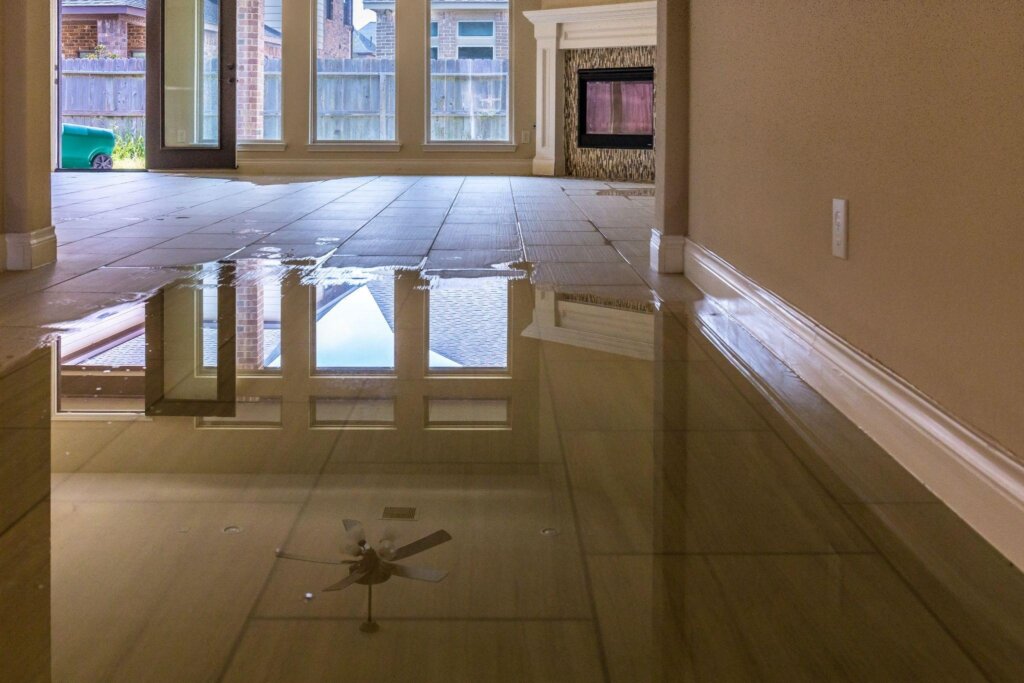
Selling a house with water damage in Erie, PA can feel overwhelming, especially when the damage involves a wet basement, roof leak, burst pipe, mold, flooding, or long-term moisture problem. Water damage can affect the home’s value, buyer confidence, inspection results, insurance questions, and closing timeline. However, a water-damaged house is not automatically unsellable.
Homeowners in Erie have several options. You may repair the damage before listing, sell the property as-is on the open market, or work with a buyer who is comfortable purchasing homes that need repairs. The best choice depends on how severe the damage is, whether the source of water has been fixed, how much repairs may cost, and how quickly you need to sell.
Erie’s climate also makes this topic especially relevant. According to National Weather Service climate normals for Erie, the city receives about 42.98 inches of precipitation and 104.3 inches of snowfall annually. Heavy snow, snowmelt, rain, roof ice, stormwater runoff, and older basements can all contribute to moisture problems in local homes.
Quick Answer: Can You Sell a House with Water Damage in Erie PA?
Yes, you can sell a house with water damage in Erie, PA. A water-damaged home can be repaired and listed traditionally, listed as-is, or sold directly to a buyer who is willing to handle repairs after closing. The key is understanding the damage, documenting known issues, disclosing required information, and choosing the selling option that matches your timeline and financial situation.
In Pennsylvania, sellers should be careful about disclosure. The state seller disclosure form asks about roof leaks, basement or crawl space leakage, water leakage, plumbing leaks, flooding, drainage issues, and repairs made to control water or dampness. If you know about water damage, hiding it can create serious problems later.
Why Water Damage Is Common in Erie Homes
Erie’s Weather Creates Moisture Risk
Water damage can happen anywhere, but Erie homes face several local risk factors. The city gets heavy snowfall in winter, steady precipitation throughout the year, and moisture from snowmelt during freeze-thaw cycles.
According to the National Weather Service climate normals for Erie, the area receives heavy annual snowfall and consistent precipitation. This can make roof leaks, basement moisture, and drainage issues more common concerns for local homeowners.
Older Homes May Have Hidden Water Issues
Older Erie homes may also have aging roofs, older plumbing, stone foundations, poor grading, or outdated basement drainage systems. These issues can make a property more vulnerable to leaks, seepage, and moisture damage.
Stormwater Runoff Can Affect Basements
Erie County describes stormwater as runoff created by rainfall or snowmelt. This runoff can move across rooftops, driveways, roads, parking lots, compacted lawns, and other hard surfaces instead of soaking into the ground.
For homeowners, this matters because poor drainage can send water toward the foundation, enter basements, overwhelm sump pumps, or reveal grading problems.
| Erie Water Risk Factor | Why It Matters When Selling |
|---|---|
| Heavy annual snowfall | Snowmelt can reveal basement leaks, roof leaks, and foundation issues. |
| Regular precipitation | Rain can expose gutter, roof, grading, and drainage problems. |
| Older housing stock | Older plumbing, roofing, and foundations may be more vulnerable. |
| Stormwater runoff | Water moving across hard surfaces can collect near the home. |
| Freeze-thaw cycles | Expanding ice can worsen cracks, leaks, and exterior drainage problems. |
Because of these local conditions, buyers in Erie often pay close attention to basements, roof condition, foundation walls, musty odors, moisture stains, sump pumps, and prior water repairs.
Common Types of Water Damage That Affect a Sale
Basement Water Damage
Basement water damage is especially important in Erie because many homes have basements and older drainage systems. A damp basement may raise concerns about mold, foundation movement, poor exterior grading, clogged gutters, failed sump pumps, or recurring stormwater intrusion.
Roof Leak Damage
Roof leaks can also reduce buyer confidence. Ceiling stains, attic moisture, damaged insulation, and hidden mold can make buyers worry that the problem is larger than it appears.
In snowy areas, roof leaks may also be connected to ice dams, aging shingles, poor ventilation, or gutter problems.
Burst Pipe Damage
Burst pipe damage is another common issue. If the pipe was fixed quickly and the area was properly dried, buyers may view it as a one-time event.
However, if water sat for days, entered walls, damaged flooring, or caused mold, the sale can become more complicated.
Mold, Sewer Backup, and Flood Damage
Other water-related problems include mold growth, sewer backups, appliance leaks, foundation cracks, damaged flooring, and flood-related damage. Some issues are mainly cosmetic, while others may affect safety, structure, financing, or buyer confidence.
How Water Damage Affects Home Value in Erie PA
Buyers Usually Price in Risk
Water damage usually affects value because buyers see risk. Even if the visible damage looks minor, buyers may wonder what is behind the walls, under the flooring, inside the basement, or above the ceiling.
The more uncertainty a buyer sees, the more likely they are to reduce their offer, ask for repairs, or request credits.
Repair Costs Can Be Significant in Erie’s Market
In Erie, repair costs can be especially important because local home values are more affordable than many larger metro areas. Recent housing data showed Erie’s median sale price around the mid-to-high $100,000s, depending on the data source and time period.
Zillow reported a median sale price of $177,217 for Erie as of April 30, 2026, while Redfin reported Erie’s median sale price at about $157,000 over the latest three-month period shown on its market page. This means a $20,000 to $40,000 water repair issue can represent a large percentage of the property’s value.
FEMA’s National Flood Insurance Program also notes that just one inch of water in an average-sized home can cause roughly $25,000 in damage. That figure helps explain why buyers take water damage seriously.
| Water Damage Issue | Possible Buyer Concern | Potential Selling Impact |
| Basement seepage | Recurring moisture, mold, foundation cracks | Lower offers or repair requests |
| Roof leak | Hidden attic damage, insulation damage, ceiling stains | Inspection problems |
| Burst pipe | Drywall, flooring, electrical, mold risk | Need for repair documentation |
| Sewer backup | Contamination and sanitation concerns | Strong buyer hesitation |
| Mold growth | Health concerns and remediation cost | Reduced buyer pool |
| Flood history | Insurance cost and future risk | More due diligence |
Documentation Can Help Reduce Buyer Concerns
Documentation can help reduce uncertainty. Useful records may include repair invoices, insurance paperwork, contractor estimates, mold remediation reports, roof inspection notes, plumbing receipts, waterproofing warranties, and photos of the damage.
Even if you sell the house as-is, clear documentation can help buyers better understand the condition and make a more confident offer.
Should You Repair Water Damage Before Selling?
When Repairs May Be Worth It
Repairing water damage may make sense if the issue is minor, the source has been fixed, and the repairs could improve the sale price. For example, fixing a small plumbing leak, replacing damaged drywall, or cleaning up visible stains may help traditional buyers feel more confident.
Repairs may also be worth it if the home is otherwise in good condition and you have enough time and money to prepare it for the market.
When Repairs May Not Be the Best Choice
Repairs are not always the best option. Water damage can be expensive, and some repairs uncover bigger problems. A basement waterproofing job may reveal foundation issues, while removing wet drywall may expose mold or electrical concerns.
If you are under financial pressure or need to sell quickly, managing contractors, delays, and repair costs may not be practical.
When Selling As-Is May Make More Sense
Selling as-is may be better when the damage is severe, the home is vacant, the property was inherited, repairs are unaffordable, or you need a faster closing.
If you are leaning toward selling without repairs, read Sell a House As-Is in Erie, PA: Your Complete Guide to Selling Without Repairs to compare repair costs, timelines, buyer expectations, and what selling as-is means for Erie homeowners.
| Option | Best For | Pros | Cons |
|---|---|---|---|
| Repair before listing | Minor damage | May attract retail buyers | Requires time and money |
| List as-is with an agent | Market exposure | More visibility | Buyers may ask for credits |
| Sell directly as-is | Serious damage or fast sale | No major repairs before closing | Offer may be lower |
| Keep and repair later | Owner has funds | May preserve value | Damage may worsen |
Focus on Net Proceeds
The right choice depends on net proceeds, not just sale price. A higher sale price may not help if repair costs, holding costs, commissions, concessions, and delays reduce what you actually keep.
Pennsylvania Disclosure Rules and Water Damage
Water damage is not something sellers should ignore or hide. Pennsylvania’s seller disclosure form requires sellers to disclose known material defects that are not readily observable. The form also asks several water-related questions, including whether the seller is aware of roof leaks, basement or crawl space leakage, past or present water leakage, plumbing problems, flooding, drainage issues, and repairs made to control water or dampness.
This does not mean every water issue makes the home impossible to sell. It simply means sellers should be honest about known problems. Buyers can still purchase homes with water damage, but they usually want clear information before making a decision.
Helpful documents may include insurance claim records, contractor invoices, waterproofing warranties, mold remediation reports, plumbing repair receipts, roof inspection notes, photos of the damage, and estimates for remaining repairs. Even if you sell as-is, documentation can help buyers understand what happened and price the property more confidently.
What If There Is Mold?
Mold is one of the biggest concerns after water damage. The EPA explains that moisture control is the key to mold control and notes that if wet or damp materials are dried within 24 to 48 hours after a leak or spill, mold will usually not grow in most cases.
When water sits too long, mold risk increases. Buyers may notice a musty smell, visible discoloration, stained drywall, damp carpet, or basement humidity. Mold concerns can reduce the buyer pool, create inspection issues, and make financing more difficult in some cases.
If mold is present, sellers should avoid simply painting over stains or covering damaged materials. That may make buyers more suspicious. A better approach is to identify the moisture source, document what is known, and decide whether professional remediation or an as-is sale makes more financial sense.
Flood Zones and Flood Risk in Erie
Not every water-damaged house is in a flood zone, and not every flood-zone property has flooded. Still, flood risk can matter when selling a home in Erie. FEMA flood maps are used to help determine flood risk, floodplain boundaries, and insurance considerations. The City of Erie’s floodplain regulations reference FEMA Flood Insurance Rate Maps and Flood Insurance Studies for identifying floodplain areas.
If a property is in a Special Flood Hazard Area, a buyer with a mortgage may need flood insurance. Even if insurance is not required, prior flooding or drainage problems can still affect buyer confidence. Sellers should be prepared to answer questions about past flooding, basement water, drainage, sump pumps, and any known floodplain status.
How to Price a Water-Damaged House
Pricing a water-damaged house requires more than looking at comparable sales. You need to consider the home’s repaired value, the cost of repairs, the risk buyers will take on, and the likely selling route.
A simple formula is:
Estimated as-is value = repaired market value minus repair costs minus buyer risk discount minus selling and holding costs.
For example, if a repaired home might be worth $180,000 but needs $35,000 in water-related repairs, a buyer will usually consider more than just that $35,000. They may also account for hidden damage, time, contractor coordination, permits, resale risk, and market uncertainty.
| Pricing Factor | Why It Matters |
|---|---|
| Repaired value | Shows what the house may be worth after work is complete. |
| Repair estimates | Helps calculate the cost of fixing known issues. |
| Active vs. past damage | Active leaks usually reduce value more than repaired issues. |
| Mold or structural concerns | Adds risk and may reduce buyer demand. |
| Timeline | A fast sale may trade some price for certainty and speed. |
| Buyer type | Retail buyers, investors, and as-is buyers price risk differently. |
A water-damaged home may still have strong value, especially if the location, lot, layout, or structure is desirable. But the pricing must reflect the condition honestly.
Steps to Sell a House with Water Damage in Erie PA
First, identify the source of water if possible. Was it a roof leak, pipe burst, sump pump failure, basement seepage, sewer backup, appliance leak, or outside flooding? Knowing the source helps buyers understand whether the issue is likely to happen again.
Second, stop active water intrusion if you can. Even temporary steps, such as fixing a broken pipe, clearing gutters, tarping a roof, or improving drainage, can help prevent the situation from getting worse.
Third, document the damage. Take photos, save repair invoices, keep insurance letters, collect estimates, and organize any inspection or remediation reports.
Fourth, decide whether to repair or sell as-is. Compare the cost of repairs with the likely increase in sale price. Do not assume every repair will return dollar-for-dollar value.
Fifth, disclose known issues properly. Water damage, flooding, basement leaks, roof leaks, and plumbing problems should be handled honestly.
Finally, compare your selling options. A traditional listing may bring a higher price if the home is repaired and market-ready. An as-is sale may be better if you want to avoid repairs, showings, financing delays, and inspection negotiations.
FAQs About Selling a House with Water Damage in Erie PA
Q. Can I sell a house with water damage in Erie PA?
Yes, you can sell a house with water damage in Erie, PA. You can repair it first, list it as-is, or sell to a buyer who accepts the property in its current condition.
Q. Do I have to disclose water damage when selling a house in Pennsylvania?
Yes, known water damage should be disclosed in Pennsylvania. This can include roof leaks, basement water, plumbing leaks, flooding, or drainage problems.
Q. Should I repair water damage before selling my Erie house?
Not always. If repairs are affordable and increase your net profit, they may help; if repairs are costly or time-sensitive, selling as-is may be better.
Q. How much does water damage reduce a home’s value in Erie PA?
It depends on the source, severity, repair cost, mold risk, and whether the issue is active. Major water damage can lead to lower offers and more buyer hesitation.
Q. Can I sell a house with mold from water damage?
Yes, but mold can make buyers more cautious. Known mold or moisture issues should be handled honestly and disclosed when required.
Q. Is selling as-is better than fixing water damage first?
Selling as-is may be better if you need speed, cannot afford repairs, or want to avoid contractors. Repairing first may work better if the damage is minor and the home is market-ready.
Final Thoughts
Selling a house with water damage in Erie, PA is possible, but the right choice depends on the damage, repair cost, timeline, and your goals. Erie’s rain, snow, and stormwater issues can make problems like wet basements, roof leaks, burst pipes, mold, and drainage concerns more common for local homeowners.
If the damage is minor, repairing before listing may help attract traditional buyers. But if the home needs major repairs, has active moisture issues, or you do not want to deal with contractors, inspections, and delays, selling as-is may be a simpler option.
Brandon Buys Houses can help you understand what an as-is cash sale may look like for your water-damaged property. Instead of paying upfront for repairs or cleanup, you can compare your options and decide what works best.
Focus on your net proceeds, timeline, and peace of mind before choosing the best path.