

A distressed house is not always a house that is falling apart.
You may own a well-kept property but be behind on taxes. You may inherit an older Erie home with roof problems, belongings inside, and ownership paperwork that still needs attention. A rental property may need repairs while tenants are still living there. A vacant house may develop moisture, heating, or maintenance problems while you are trying to manage it from another city.
If you need to sell a distressed property in Erie PA, start by identifying what is actually making the sale difficult.
Sometimes the problem is physical condition. Sometimes it is money, ownership, occupancy, or an important deadline. In more complicated situations, several of those problems are happening at once.
That is why the first question should not be, “Should I sell to a cash buyer?”
A better question is:
What is blocking a normal sale, what needs to be addressed before closing, and which selling method gives me the best overall result?
Quick Answer
To sell a distressed property in Erie, first check five things: property condition, money owed, ownership, occupancy, and important deadlines. Then compare repairing and listing, listing as-is, or selling directly based on expected net proceeds, required work, time, and closing risk—not simply the highest advertised sale price.
What Makes a Property Distressed?
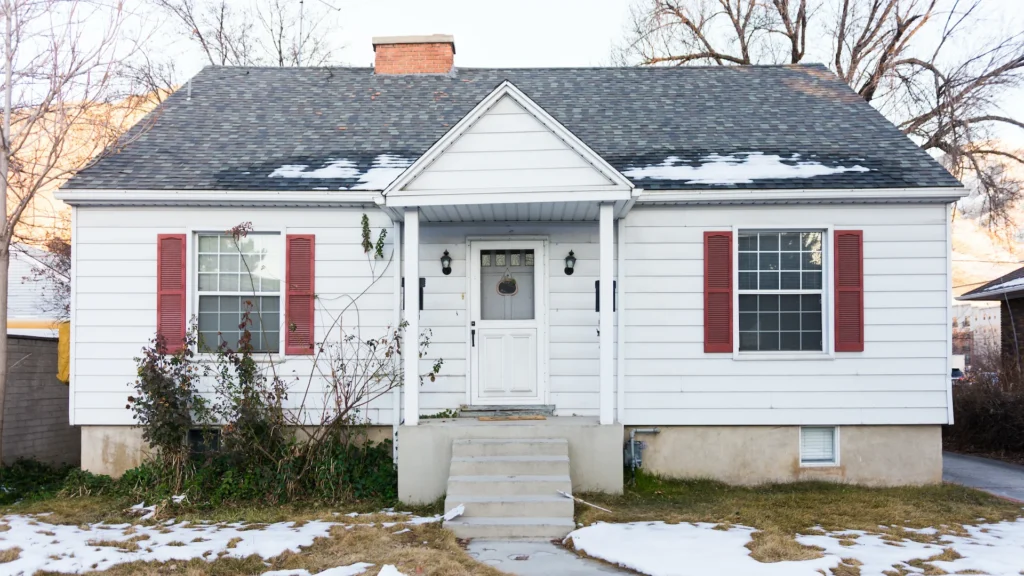
A property becomes distressed when one or more problems make it unusually difficult, expensive, or urgent to own or sell.
The problem may be visible:
- Major roof damage
- Water intrusion
- Foundation movement
- Fire damage
- Old plumbing
- Electrical problems
- Mold
- Deferred maintenance
Or it may have little to do with physical condition:
- Delinquent property taxes
- Liens
- Probate
- Multiple heirs
- An old mortgage still appearing in the records
- Tenants
- Foreclosure
- Code notices
- A scheduled tax sale
- Unclear ownership
There is an important difference between the condition of the house and the situation surrounding its owner.
Property distress and homeowner distress are not always the same thing.
A severely damaged Erie house may have no mortgage, no liens, and no deadline. A well-maintained home may be financially distressed because the owner has fallen behind on payments or needs to relocate quickly.
Understanding that difference helps you decide what to solve first.
Selling a Distressed House in Erie PA? Start With These Five Questions
Instead of treating the entire property as one large problem, break the situation into five parts.
1. Condition: What Is Physically Wrong With the House?
Start with what you can see or reasonably identify.
That may include:
- Roof leaks
- Basement moisture
- Foundation problems
- Broken plumbing
- Outdated electrical systems
- Heating problems
- Structural damage
- Water or fire damage
- Mold
- Broken windows
- Pest damage
- Large cleanout needs
You do not have to repair everything before finding out what the house may be worth.
If physical condition is the main problem, read the more detailed Brandon Buys Houses guide about selling an Erie house that needs major repairs.
For severely damaged properties, a future supporting guide on How to Sell a Condemned or Uninhabitable House in Erie PA can address situations involving occupancy restrictions, serious safety concerns, or properties that may not qualify for a normal retail sale.
2. Money: What Is Owed?
Next, find out what financial obligations may affect the property.
Check for:
- Mortgage balance
- Delinquent property taxes
- Tax liens
- Judgment liens
- Municipal balances
- Other recorded claims
Do not rely on an old tax letter or mortgage statement.
Erie County advises owners dealing with delinquent property taxes to verify the current amount owed because interest and costs can be added over time.
Homeowners dealing with unpaid taxes can review the official Erie County delinquent property tax information and your existing guide to selling a house with tax liens in Erie PA.
If several liens appear, a separate cluster on What Happens at Closing When an Erie House Has Multiple Liens? can explain title searches, payoff statements, settlement, and what happens when available equity may not cover every claim.
3. Ownership: Who Has Authority to Sell?
This question matters after:
- A death
- Divorce
- Family transfer
- Trust
- Probate
- Multiple inheritances
- Ownership dispute
The person maintaining the house is not automatically the person legally authorized to transfer it.
The Erie County Recorder of Deeds reviews, records, and indexes deeds, mortgages, satisfactions, powers of attorney, leases, and other real-estate documents.
You can use the official Erie County Recorder of Deeds as a local records resource.
Inherited properties may also involve the Erie County Register of Wills, which handles probate and estate administration records.
If inheritance is the main issue, see the Brandon Buys Houses guide to selling an inherited house fast in Erie PA.
4. Occupancy: Who Is Living There?
A property may be:
- Owner occupied
- Tenant occupied
- Occupied by relatives
- Partially vacant
- Completely vacant
Occupancy can affect access, showings, possession, lease obligations, and the type of buyer likely to be interested.
If tenants are involved, review the existing guide to selling a house with tenants in Erie PA rather than treating the tenant as simply another property-condition problem.
Owners of duplexes or small multi-unit buildings may also benefit from a future guide on How to Sell a Distressed Duplex or Small Multifamily Property in Erie PA. That page can focus on rent records, leases, vacancies, repairs, operating costs, and investor buyers without competing with this broader pillar.
5. Deadline: How Much Time Do You Really Have?
Finally, look for anything that changes your available timeline.
Examples include:
- Foreclosure
- Sheriff sale
- Tax-sale notice
- Court date
- Code deadline
- Relocation date
- Insurance issue
- Estate requirement
A repair that makes sense when you have six months may make little sense when a more urgent deadline is approaching.
The Erie County Sheriff’s Office publishes sheriff-sale information and schedules for properties that reach that part of the legal process.
If foreclosure is involved, review the dedicated guide on selling a house before foreclosure in Erie PA and speak with an appropriate Pennsylvania attorney, lender, or housing counselor about your specific situation.
Your Options for Selling a Distressed House in Erie PA
Once you know what the real problems are, compare your selling options.
| Selling Option | May Work Well When | Main Trade-Off |
|---|---|---|
| Repair and list | Repairs are manageable and maximizing retail exposure matters | Requires upfront money, time, and contractor management |
| List as-is | You want market exposure without completing major repairs | Inspection, financing, and negotiation issues may remain |
| Sell by owner | You understand pricing, contracts, marketing, and negotiations | More work and responsibility fall on you |
| Sell to an investor | The property needs work or appeals mainly to investment buyers | Offer reflects repair costs and investor risk |
| Direct cash sale | Repairs, cleanup, financing, vacancy, or timing are major concerns | Price may be lower than a fully repaired retail sale |
| Keep the property | There is no urgent deadline and ownership still makes financial sense | Maintenance, risk, and carrying costs continue |
There is no universal winner.
If the house is reasonably marketable and you have time and money for preparation, a traditional listing may produce a stronger gross price.
If the property needs major work and you want to avoid repairs, showings, cleanup, or financing uncertainty, an as-is option may be worth comparing.
For a deeper side-by-side evaluation, read Cash Home Buyers vs. Real Estate Agents in Erie PA.
How to Sell a Distressed Property in Erie PA Step by Step
Step 1: Make One Complete Problem List
Write down everything you already know.
Include repairs, debt, tenants, title concerns, notices, deadlines, belongings, and access problems.
Do not start solving them yet.
First understand the whole situation.
Step 2: Handle Important Deadlines First
A worn carpet can wait.
A foreclosure notice, tax-sale issue, court date, or municipal deadline may not.
If an official notice is involved, read it carefully and contact the appropriate agency or professional rather than assuming a planned sale automatically pauses the process.
Step 3: Gather the Important Paperwork
Useful records may include:
- Deed information
- Mortgage statements
- Tax notices
- Lien letters
- Lease agreements
- Estate documents
- Code notices
- Repair estimates
- Inspection reports
- Insurance information
A dedicated checklist on What Documents Do You Need to Sell a Distressed Property in Erie PA? can eventually go deeper into exactly what sellers should organize before calling an agent, title company, attorney, or direct buyer.
Step 4: Understand the Property Condition
Walk through the house if it is safe.
Take photographs and make notes.
For a serious problem, you may want an opinion from an appropriate contractor, roofer, plumber, electrician, engineer, or other qualified professional.
Getting information does not mean you have to complete the repair.
Step 5: Calculate the Cost of Waiting
Repairs are only one expense.
Another few months of ownership may mean continued:
- Mortgage payments
- Taxes
- Insurance
- Utilities
- Lawn care
- Snow removal
- Travel
- Security
- Maintenance
- Lost rental income
This is especially important with vacant or inherited homes.
Step 6: Estimate Net Proceeds Under Each Option
Do not compare a cash offer with the imagined sale price of a fully renovated home.
Compare realistic net outcomes.
For a traditional sale, consider:
Expected sale price
− repairs
− selling expenses
− concessions
− holding costs
− remaining property obligations
= estimated net proceeds
For a direct sale, compare the offer with the expenses and work the buyer is actually taking over.
Step 7: Review the Contract Carefully
Look beyond the purchase price.
Check:
- Financing
- Inspection rights
- Contingencies
- Repair requirements
- Closing expenses
- Deposit
- Proposed closing date
- Assignment language
- Personal property
- Cancellation terms
A higher offer with uncertain financing or broad contingencies may not always be stronger than a more straightforward offer.
Step 8: Complete Title and Closing Work
The title or settlement process may reveal issues that were not obvious when you first decided to sell.
That can include:
- Recorded liens
- Old mortgages
- Probate issues
- Ownership discrepancies
- Recording errors
- Tax balances
If title is already a concern, read How to Sell a House With Title Problems in Erie PA.
Can You Sell a Distressed House As-Is in Erie PA?
Often, yes.
Selling as-is generally means the seller does not plan to complete agreed repairs or improvements before the transaction.
That can make sense when the repair list is long, contractor costs are uncertain, or another problem—such as taxes, probate, vacancy, or a deadline—is more important than remodeling.
However, selling as-is does not mean known problems should be hidden.
Pennsylvania’s Real Estate Seller Disclosure Law generally applies to residential real-estate transfers covered by the statute and requires disclosure of material defects known to the seller. The law also provides specific exceptions, including certain fiduciary transfers made in the administration of estates, guardianships, conservatorships, or trusts.
Homeowners can review the official Pennsylvania Real Estate Seller Disclosure Law.
For the broader selling method, use the dedicated Brandon Buys Houses resource about selling a house as-is in Erie PA.
Should You Repair a Distressed House Before Selling?
Do not begin with:
What can I fix?
Begin with:
What would fixing this problem change?
A repair may make sense when it is affordable, predictable, and likely to improve marketability or your expected net proceeds.
Repairs deserve more caution when:
- Several major systems need work
- Contractor estimates vary widely
- You would need to borrow money
- The house is vacant
- You live outside Erie
- Another title or legal issue remains unresolved
- A deadline limits your renovation time
If repair cost is driving the decision, read How to Price a House With Major Repairs in Erie PA.
If the issue involves work completed without required permits or approvals, the future cluster How to Sell a House With Unpermitted Work in Erie PA can address permits, buyer questions, code concerns, disclosure, and possible as-is selling options without turning this pillar into a municipal-code guide.
Can a Traditional Buyer Finance a Distressed House?
Sometimes. A distressed property does not automatically require a cash buyer.
A house that mainly needs cosmetic updates may still work with standard mortgage financing. Financing can become more difficult when the property has serious roof, structural, electrical, plumbing, heating, safety, or habitability problems.
The buyer’s financial approval is only part of the transaction. The property also has to meet the requirements of the mortgage being used.
When a standard loan does not fit the property’s condition, some buyers may explore renovation financing such as FHA 203(k), Fannie Mae HomeStyle Renovation, or Freddie Mac CHOICERenovation.
For a detailed breakdown of these options, read What Types of Loans Can Buyers Use for a Distressed House in Erie, PA?
For sellers, the practical lesson is simple: consider not only who is willing to make an offer, but also whether that buyer’s financing is realistic for the house in its current condition.
Distressed Houses With Specific Property Problems
Some property conditions deserve their own guides because repair costs, buyer concerns, and selling options differ significantly.
Brandon Buys Houses already has deeper resources about:
- selling a house with structural damage in Erie PA
- selling a house with roof damage in Erie PA
- selling a house with water damage in Erie PA
- selling a house with mold problems in Erie PA
- selling a fire-damaged house in Erie PA
This pillar does not need to repeat those repair guides.
The key point is that when physical damage appears alongside taxes, liens, tenants, vacancy, or ownership problems, you should evaluate the property as one financial and practical decision.
Vacant, Rental, and Inherited Distressed Properties
Vacant Houses
Vacancy can make existing property problems harder to control because nobody is there to notice changes quickly.
A roof leak, heating failure, basement water, broken window, or exterior problem may continue longer before somebody sees it.
If the property is empty, review the guide to selling a vacant house in Erie PA.
Rental Properties
A distressed rental may involve property condition, missed rent, tenant damage, deferred maintenance, vacancies, or operating costs.
If tenants remain, start with the lease and actual occupancy status.
For broader landlord guidance, see How to Sell a Rental Property in Erie PA.
Inherited Houses
Inherited properties often combine several problems.
An out-of-town heir may be handling an older home, belongings, unpaid taxes, repairs, multiple beneficiaries, and ongoing carrying costs at the same time.
The Erie County Register of Wills handles probate and estate administration and notes that legal or accounting questions should be directed to appropriate professionals.
For the selling side, use Sell an Inherited House Fast in Erie PA.
What If the Property Has Code Violations?
A code notice deserves specific attention.
Ask:
- What was cited?
- Who issued the notice?
- What deadline appears?
- Is another inspection scheduled?
- Are fines or court proceedings involved?
- Does the issue affect occupancy?
- Was any work completed without required permits?
Do not assume every violation must automatically be repaired in exactly the same way before a sale. Requirements can depend on the municipality, condition, transaction, and notice involved.
For detailed homeowner guidance, use How to Sell a House With Code Violations in Erie PA.
Erie Homeowner Example: Repairs, Back Taxes, and an Inherited House
Imagine you inherit a two-story Erie home that has been in the family for decades.
You live several hours away.
During your first visit, you notice an aging roof, water staining along one basement wall, worn flooring, and rooms still full of furniture and boxes. You later learn that property taxes are behind.
The obvious question may seem to be:
How much will the roof cost?
But the roof is only part of the decision.
Before hiring a contractor, you would want to know:
- Who has authority to sell?
- What taxes are currently owed?
- Are there other liens?
- Is an important deadline approaching?
- What could the house reasonably sell for as-is?
- What could it sell for after repairs?
- What would those repairs actually cost?
- What will another six months of ownership cost?
Once those facts are clear, you can compare realistic options.
Repairing and listing may produce stronger retail exposure, but you take responsibility for contractors, cleanout, money, travel, and time.
Listing as-is avoids a large renovation while still reaching the open market, but inspection and financing concerns may remain.
A direct sale may produce a lower price than a fully renovated retail sale, but the buyer may take over more of the property work and uncertainty.
There is no automatic winner.
The best choice depends on the net result and responsibilities you are accepting, not simply which option shows the highest possible sale price.
Common Mistakes to Avoid
Repairing Before Checking Ownership or Debt
A major renovation does not solve an estate problem, lien, or ownership dispute.
Understand the financial and title situation before committing heavily to improvements.
Treating Every Problem as Equally Urgent
Old flooring and a foreclosure deadline should not receive the same priority.
Handle the time-sensitive issue first.
Assuming As-Is Means No Disclosure
Applicable Pennsylvania disclosure responsibilities do not disappear simply because the property is marketed as-is.
Ignoring Official Notices Because You Plan to Sell
A planned sale does not automatically stop foreclosure, tax-sale, code-enforcement, or court processes.
Comparing Only Sale Prices
Compare expected net proceeds after repairs, selling expenses, concessions, carrying costs, and time.
Assuming a Cash Buyer Is Always Better
Some distressed houses are still good traditional listings.
If the property is marketable, repairs are manageable, and time is available, listing may produce a better financial result.
Frequently Asked Questions About Selling a Distressed Property in Erie PA
Can I sell a distressed property in Erie PA?
Yes. A distressed property can often be sold even if it needs major repairs, has taxes due, tenants, liens, title problems, or other complications. The main issue is determining what must be addressed before closing.
What makes a house a distressed property?
A house may be distressed when physical, financial, ownership, occupancy, or deadline-related problems make it harder or more urgent to own or sell.
Can I sell a distressed house as-is in Erie PA?
Yes, many distressed homes can be sold as-is without major repairs first. As-is selling does not automatically remove applicable disclosure, title, tax, or closing requirements.
Should I repair a distressed house before selling it?
Repairing may make sense when the work is affordable and likely to improve your net proceeds. If repairs are extensive or uncertain, compare an as-is option before spending heavily.
Can I sell a house with unpaid property taxes in Erie County?
A sale may still be possible. Verify the current balance and any applicable deadlines first so you understand what may need to be handled through the transaction.
Can I sell a distressed property with liens or title problems?
Possibly. Many issues can be identified during title work, but ownership disputes, probate problems, old mortgages, or limited equity may require additional steps.
Can I sell an inherited distressed house in Erie PA?
Yes, provided the appropriate person or estate has authority to transfer the property. Probate, beneficiaries, debts, and title questions may need attention first.
Can I sell a distressed rental with tenants?
Yes. Review the lease, tenant status, possession requirements, and applicable landlord-tenant obligations before promising a buyer when or how the property will be delivered.
Is a cash buyer or real estate agent better for a distressed house?
It depends on the property, timeline, and work required. Listing may provide stronger retail exposure, while a direct buyer may be more practical when repairs, cleanup, financing, or timing create major obstacles.
What should I do first if I need to sell a distressed house fast in Erie PA?
Check five things first: condition, money owed, ownership, occupancy, and deadlines. Those answers will show which selling options are realistic.
Need to Sell a Distressed House in Erie PA? Start With the Five Questions
A distressed property feels harder to manage when several problems are mixed together.
Separate them.
Condition: What is wrong with the property?
Money: What is owed?
Ownership: Who has authority to sell?
Occupancy: Who currently has possession?
Deadline: How much time is available?
Once those five questions are answered, the next step becomes much clearer.
You may decide to repair and list.
You may list the house as-is.
You may keep it.
Or you may decide that transferring future repairs and property work to a direct buyer is worth accepting a different sale price.
If you want to compare that option, Brandon Buys Houses purchases properties in Erie and nearby Northwest Pennsylvania communities in as-is condition. You can explain what is happening with the house, understand how a direct sale would work, and request a fair, no-obligation cash offer without committing to sell.
Before deciding, you can also review how Brandon Buys Houses buys houses in Erie.
The goal is not to force every distressed house into the same selling method.
It is to understand the property, compare the real costs and responsibilities, and choose the option that works best for your situation.
Legal, Tax, and Financial Note
This article provides general homeowner information and is not legal, tax, financial, engineering, or property-condition advice.
Foreclosure, probate, inheritance, liens, delinquent taxes, tenants, divorce, bankruptcy, title problems, court matters, code violations, and serious property defects can depend on specific facts. When appropriate, speak with a qualified Pennsylvania attorney, tax professional, lender, housing counselor, title or settlement professional, contractor, engineer, insurance professional, or local government office.