
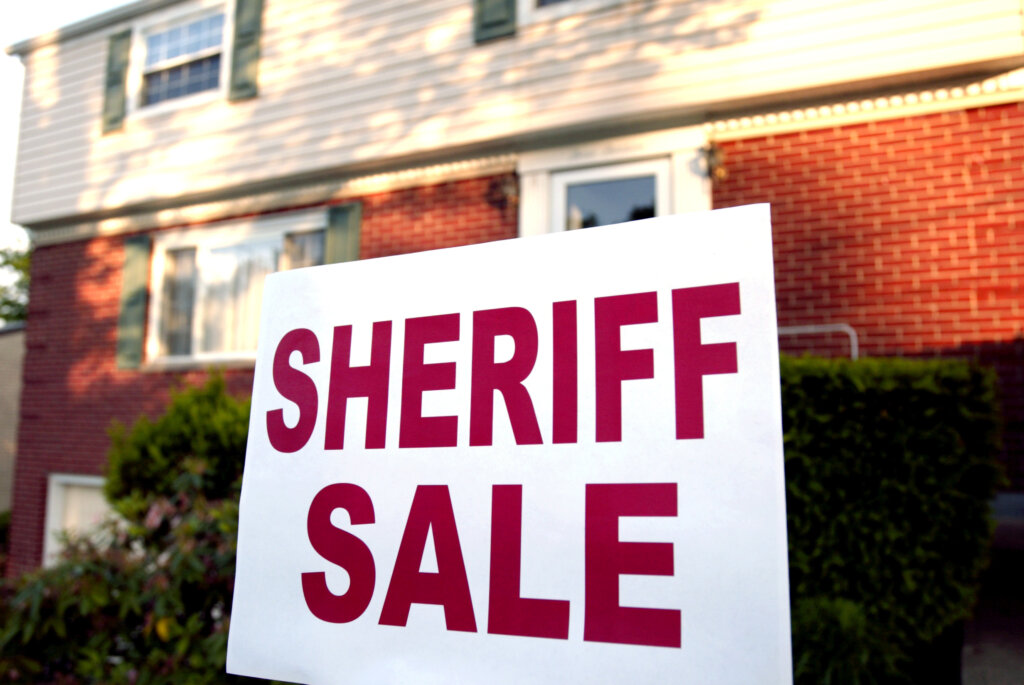
Facing the possibility of losing your home can be an extremely stressful and overwhelming experience. In Erie, PA, one of the most serious situations a homeowner might encounter is a sheriff sale, also commonly referred to as a foreclosure auction. A sheriff sale occurs when a property is publicly auctioned to satisfy unpaid debts, often due to foreclosure, unpaid property taxes, or other court judgments. These sales are legal, formal procedures carried out under strict state regulations, and the consequences can be severe for the homeowner.
Many homeowners do not fully understand what a sheriff sale entails, the legal process leading up to it, or the options available to prevent or mitigate its impact. Being informed can make a significant difference in protecting your financial stability and potentially your home. This guide provides an in-depth look at every aspect of sheriff sales in Erie, Pennsylvania, including the legal process, reasons properties are sold, consequences for homeowners, and actionable options to prevent the sale.
By the end of this article, homeowners will have a clear understanding of what a sheriff sale is, how it works in Erie, PA, and the steps they can take to avoid losing their property. This knowledge is essential for anyone facing the threat of a sheriff sale or simply seeking to understand the process.
What is a Sheriff Sale?
Definition
A sheriff sale is a legal procedure in which a property is sold at a public auction by the county sheriff to satisfy a judgment against the homeowner. Typically, these sales are the result of foreclosure actions, tax liens, or court judgments where the homeowner owes money to a lender or other creditor. The goal of the sheriff sale is to allow creditors to recover some or all of the outstanding debt through the proceeds from the property sale.
Unlike a standard real estate sale, a sheriff sale does not require homeowner consent once the legal process has advanced to this point. The sale is typically conducted publicly, either on the courthouse steps or through an official online portal if permitted, and properties are often sold below market value to ensure they are sold quickly.
How Sheriff Sales Work in Erie, PA
In Erie, PA, sheriff sales follow a legally prescribed process to ensure transparency and fairness. The main steps include:
- Judgment Obtained: The creditor files a lawsuit and obtains a court judgment for the unpaid debt.
- Sale Order Issued: The court orders the sheriff to conduct a public auction of the property.
- Public Notice: Notices are issued to the homeowner, posted in local newspapers, and listed in Erie County foreclosure records. This ensures public awareness and allows interested buyers to participate.
- Auction Held: The sheriff conducts the public auction. Registered bidders can participate, and the property is sold to the highest bidder.
- Proceeds Distribution: Sale proceeds are applied to the debt owed to the creditor. Any remaining funds may go to subordinate lienholders or, in rare cases, back to the homeowner.
This process ensures that the creditor can collect at least a portion of the owed funds while giving potential buyers a chance to acquire property at auction. The transparency and legal framework protect all parties involved and reduce the risk of disputes.
Legal Process Before a Sheriff Sale
Before a property reaches the point of a sheriff sale, several legal steps must occur to ensure that homeowners have been given proper notice and opportunity to remedy the situation. Here is a detailed timeline:
| Step | Description | Typical Timeline |
|---|---|---|
| Notice of Default | The lender or creditor formally notifies the homeowner of missed payments and warns of potential foreclosure. | 30–90 days |
| Foreclosure Filing | The creditor files a formal foreclosure complaint in the Erie County Court of Common Pleas. | 30–60 days after default |
| Judgment & Sale Order | The court reviews the case and issues a judgment allowing a sheriff sale. | 30 days after filing |
| Public Auction | The sheriff schedules and conducts the auction, selling the property to the highest bidder. | Scheduled by the sheriff, often within 60–90 days of judgment |
It is crucial for homeowners to understand that each step provides opportunities to take corrective action. Early intervention, such as negotiating with the lender or arranging a cash sale, can prevent the sale from occurring. For more details about Pennsylvania foreclosure procedures, see Pennsylvania Foreclosure Laws & Procedures
Why Your House Might End Up in a Sheriff Sale
Sheriff sales are typically the result of unpaid debts or legal judgments. Understanding why your property may be at risk is the first step toward prevention.
Common Reasons
- Unpaid Mortgage Payments
- Falling behind on mortgage payments is the most common reason properties are foreclosed and sold at sheriff sale. Lenders are legally entitled to recover the unpaid balance through this process.
- Property Tax Delinquencies
- Failure to pay property taxes can result in tax liens, which may eventually lead to a sheriff sale. In Pennsylvania, unpaid property taxes can trigger county action to recover funds.
- Homeowners Association (HOA) Fees
- If the property is part of an HOA, failure to pay dues can result in a lien against the property. Persistent nonpayment may contribute to a sheriff sale.
- Court Judgments or Other Liens
- Creditors who obtain court judgments for unpaid loans, unpaid contractors, or other debts may place liens on a property. If debts remain unpaid, a sheriff sale can be ordered to satisfy these obligations.
By recognizing these risk factors early, homeowners can take proactive measures to avoid a sheriff sale and minimize potential financial and legal consequences.
Consequences of a Sheriff Sale
Sheriff sales have far-reaching consequences that extend beyond losing the property. It is essential for homeowners to understand the full scope of potential impacts.
Loss of Home Ownership
The most immediate consequence of a sheriff sale is the loss of ownership. Once the property is sold, the new owner has legal rights to take possession. If the property is occupied, eviction proceedings may follow.
Credit Score Impact
A sheriff sale resulting from foreclosure can have a dramatic negative effect on your credit score, remaining on your credit report for up to seven years. For more information on how foreclosure affects your credit score compared to other options, see Which is Worse: Bankruptcy, Foreclosure, or Short Sale
Deficiency Judgments
In some cases, the sale proceeds may not fully cover the debt owed. When this happens, the lender may pursue a deficiency judgment to recover the remaining balance. Pennsylvania law allows lenders to seek the difference if the auction price is insufficient.
| Term | Explanation |
|---|---|
| Deficiency | The remaining debt after the property sale proceeds are applied |
| Redemption Period | A limited timeframe in which homeowners may reclaim the property by paying the full debt, though rarely applicable |
Eviction
After the property is sold, if the homeowner remains in the residence, the new owner can initiate eviction proceedings. Understanding your rights and preparing for this possibility is critical to avoid legal complications.
Options Before a Sheriff Sale
Homeowners have several potential strategies to prevent or mitigate the impact of a sheriff sale. Acting early is essential.
Loan Modification
Negotiating a loan modification with your lender may involve:
- Lowering the interest rate
- Extending the repayment term
- Adjusting monthly payments
Loan modifications can make the mortgage more affordable and prevent foreclosure.
Sell the House for Cash
Selling the property for cash is one of the fastest ways to avoid a sheriff sale. Cash buyers can:
- Close quickly, sometimes in as little as a week
- Purchase properties as-is, without repairs
- Pay off outstanding debts, preventing foreclosure and credit damage
This option allows homeowners to retain financial control and minimize losses. For more details about how to sell your home quickly during foreclosure and avoid a sheriff sale, check out How to Sell a House Fast During Foreclosure in Erie PA
Bankruptcy
Filing for bankruptcy can temporarily halt the sheriff sale through an automatic stay. However, this option carries long-term financial implications and should be considered carefully with a qualified attorney.
Negotiate a Short Sale
A short sale occurs when the lender agrees to accept less than the total mortgage owed. While approval is required, a short sale can prevent foreclosure from appearing on your record and reduce negative credit impacts.
How to Prepare for a Sheriff Sale
Preparation is key to minimizing the impact of a sheriff sale. Steps include:
- Stay Informed: Regularly monitor Erie County foreclosure listings.
- Gather Documents: Keep mortgage statements, tax records, lien information, and legal notices organized.
- Consult Professionals: Seek advice from real estate attorneys or financial advisors.
- Budget for Redemption: If applicable, understand your rights regarding Pennsylvania’s redemption period.
Being proactive and informed allows homeowners to explore options and make strategic decisions that can protect their financial interests.
Timeline of a Sheriff Sale in Erie, PA
Understanding the typical timeline can help homeowners plan:
| Event | Timeframe |
|---|---|
| Missed Mortgage Payment | Month 1 |
| Notice of Default | Month 2–3 |
| Foreclosure Filing | Month 3–4 |
| Judgment & Sale Order | Month 4–5 |
| Sheriff Sale Auction | Month 5–6 |
| Redemption Period (if applicable) | Month 6–7 |
Note: Timelines may vary based on court schedules, lender policies, and individual circumstances.
Common Questions About Sheriff Sales in Erie, PA (FAQ)
Q1: Can I stop a sheriff sale in Erie, PA?
Yes. You can stop a sheriff sale by paying the debt, negotiating with your lender, filing for bankruptcy, or arranging a short sale. Acting quickly is essential.
Q2: How long do I have before my house goes to sheriff sale in Erie County?
The timeline varies, but typically you have 2–6 months after default before the sale. Check Erie County foreclosure listings to stay informed.
Q3: Will I still owe money after a sheriff sale in Erie, PA?
If the sale proceeds don’t cover your debt, the lender may pursue a deficiency judgment for the remaining balance.
Q4: Can I buy a house at a sheriff sale in Erie, PA?
Yes, sheriff sales are public auctions open to buyers, but you should research the property and understand bidding rules beforehand.
Q5: What is the difference between a sheriff sale and a foreclosure in Pennsylvania?
A sheriff sale is the public auction stage of a foreclosure, where the property is sold to satisfy the debt owed to creditors.
Q6: Is there a redemption period after a sheriff sale in Erie, PA?
In some cases, Pennsylvania law allows a limited period to reclaim the property by paying the full debt, though this is rare and case-specific.
Key Takeaways
- Sheriff sales are serious legal actions that can lead to losing your home.
- Credit impacts are significant, affecting borrowing ability for years.
- Act early: Explore cash sales, loan modifications, or short sales to avoid foreclosure.
- Seek professional advice: Attorneys and financial advisors can guide you through your options.
- Preparation is essential: Knowing the timeline, gathering documents, and understanding your rights gives you a better chance to protect your home.
Conclusion
Facing a sheriff sale in Erie, PA, can be stressful and overwhelming, but understanding the process, consequences, and available options can make a significant difference. Brandon Buys Houses is dedicated to helping homeowners navigate these challenging situations. Acting early by exploring alternatives such as cash sales, loan modifications, or short sales with guidance from Brandon Buys Houses can help minimize financial loss and protect your future. Knowledge and timely action are your strongest tools — with Brandon Buys Houses by your side, you have the support to make informed decisions and take control of your home and financial situation.